Admire · Fattoria Il Muro
The soil
you can taste
Terroir, vineyards, olive groves and the historic La Panchera cellar. A journey into the heart of the estate.
“Galestro – the soil that gives our wines their character.”
Terroir
The soil you can taste.
The galestro of our hills.
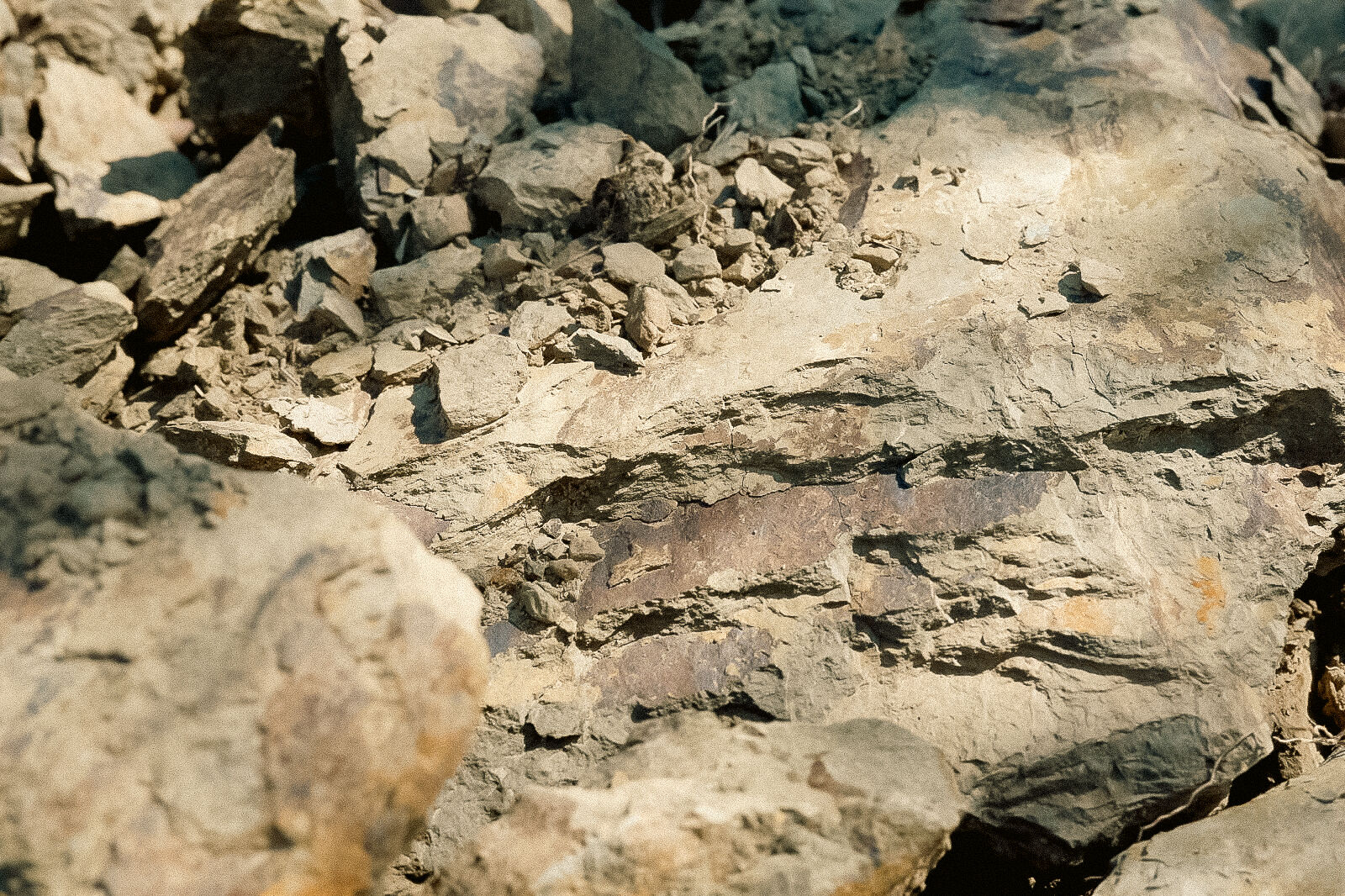
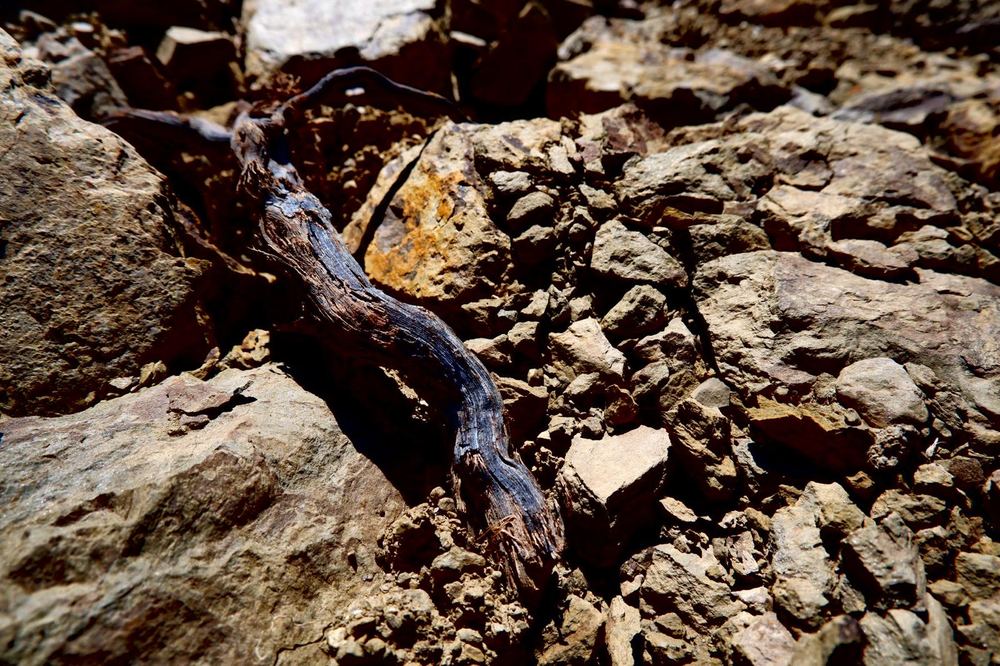
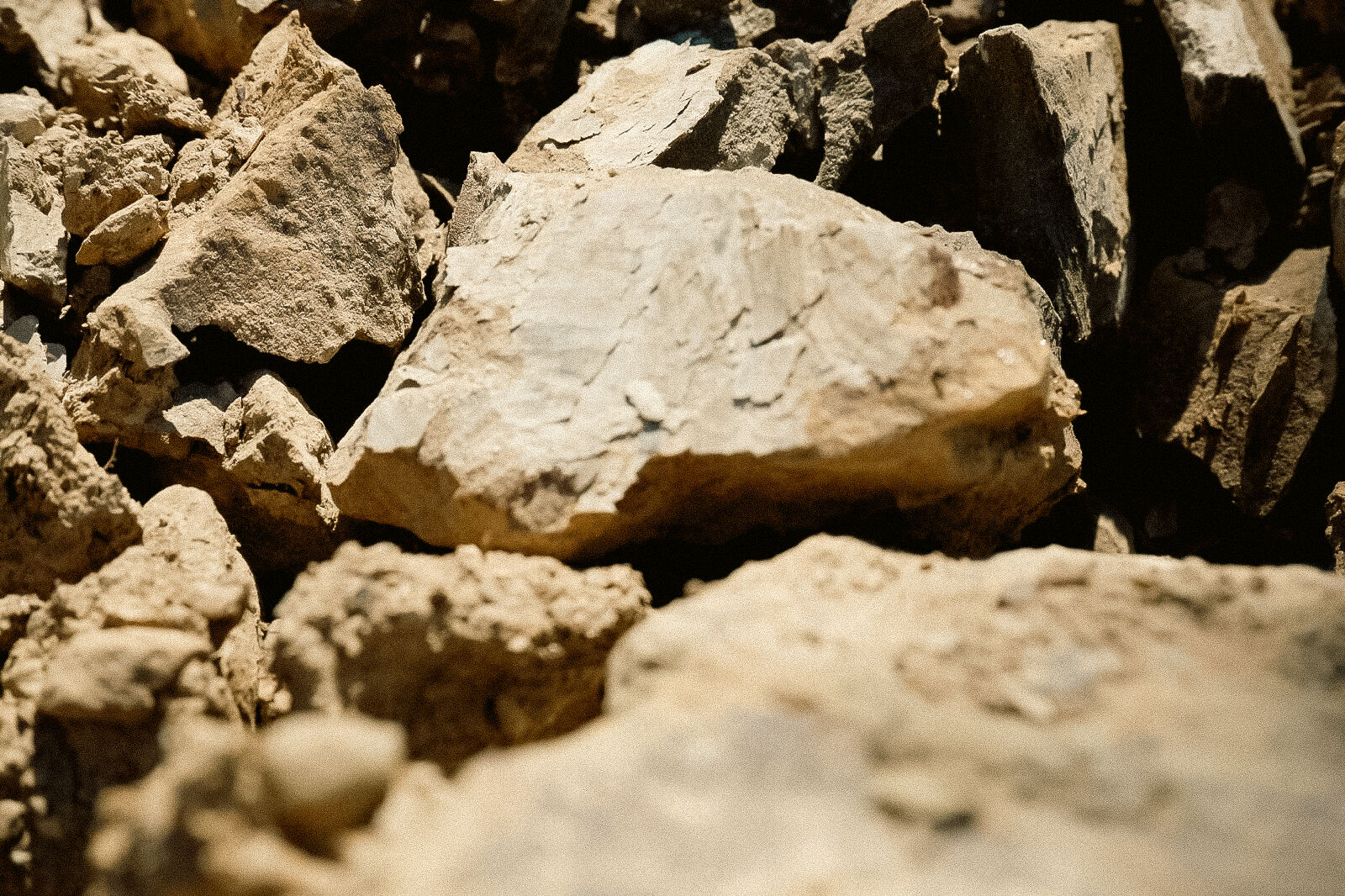
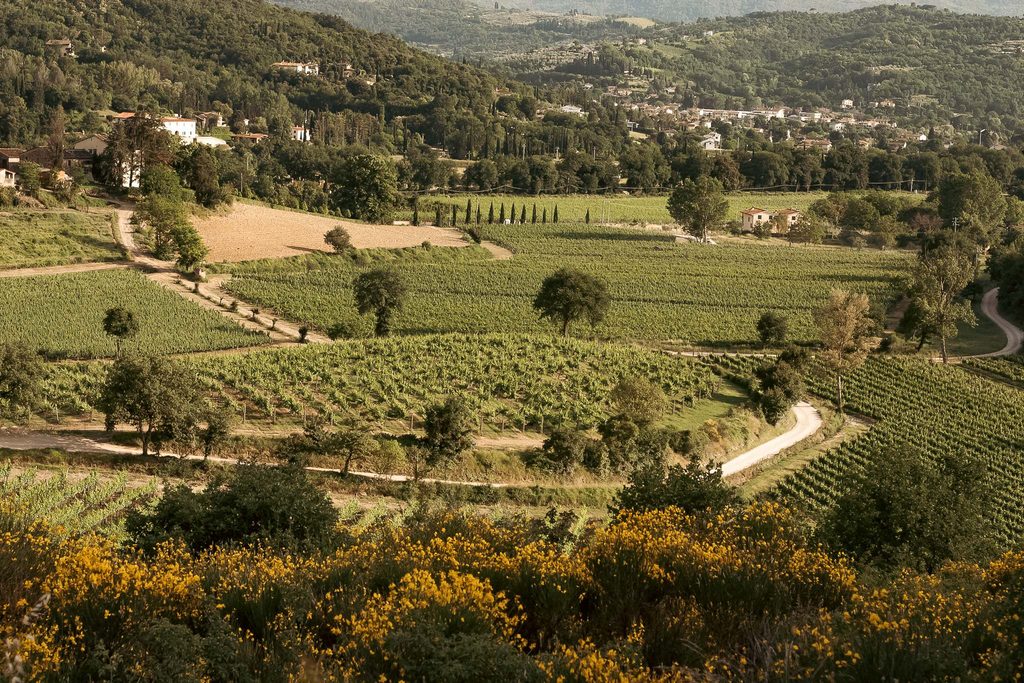
Here on the hillsides, the soil is dominated by galestro, a friable sedimentary rock of marl and limestone that ensures excellent natural drainage. This poor but mineral-rich soil forces the vine to drive its roots deep, contributing to the aromatic complexity and freshness of the wines.
“Galestro” soils, composed of loose marl, limestone, and stones of various sizes, together with our temperate climate, shaped by the proximity of the Alpe di Poti (1000m), create an ideal environment that enhances both the organoleptic qualities of the grapes and the overall health of the vines.
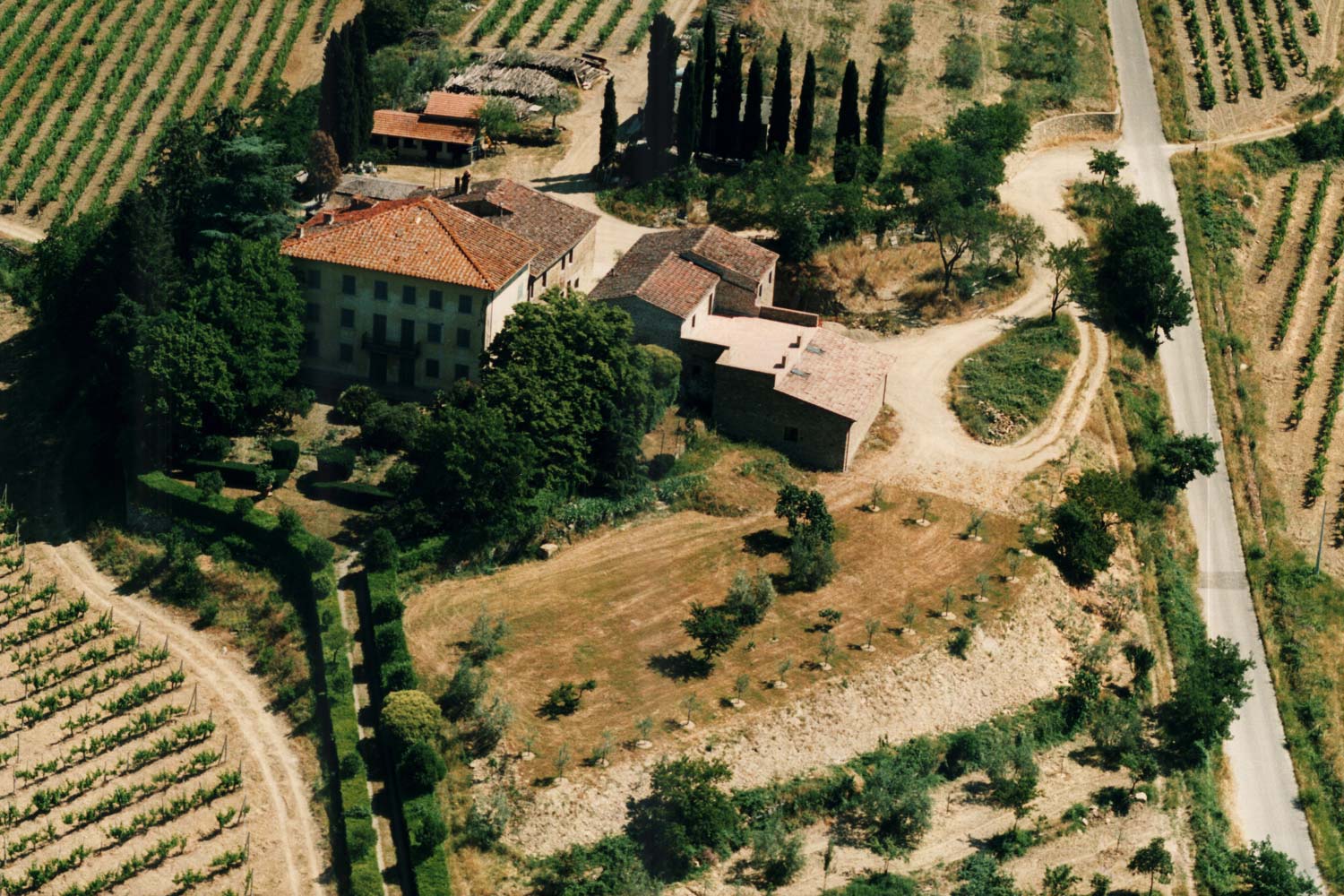
Our estate sits on a hill between 290 and 350 meters above sea level. Eastern Tuscany, being largely mountainous, is the cooler part of the region, with snow almost every year.
In Arezzo, the Sangiovese variety of Chianti expresses one of its most original and authentic identities, as our terroir offers ideal conditions for producing remarkably fresh and vibrant wines. In fact, during the Napoleonic occupation of Tuscany in the early 1800s Arezzo was even recognized as a perfect terroir for growing Burgundy grape varieties.
“Nearly 30 hectares of vineyards in the hills of Arezzo”
The vineyards
Thirty hectares
of heritage and care.
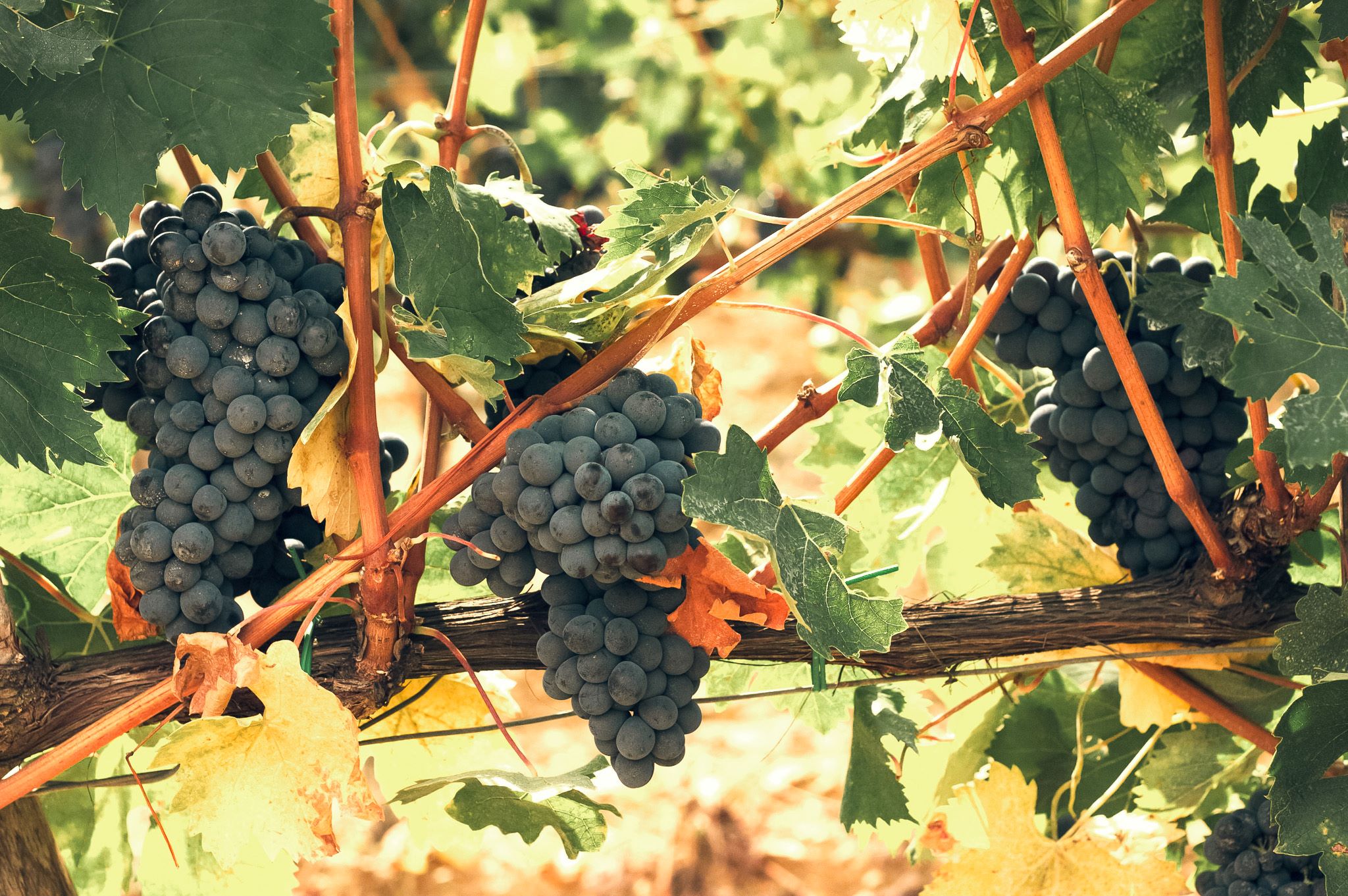
Our vineyards lie mainly on hillside ground that slopes gently down towards the plain of the Castro stream. The planted area covers nearly 30 hectares, farmed with full respect for the environment through integrated farming.
They are a patchwork of different ages, varieties and exposures — from vines over thirty years old, kept for the exceptional quality of their grapes, to new high-density plantings of around 5,000 vines per hectare, with clones selected to bring out the best in the fruit.
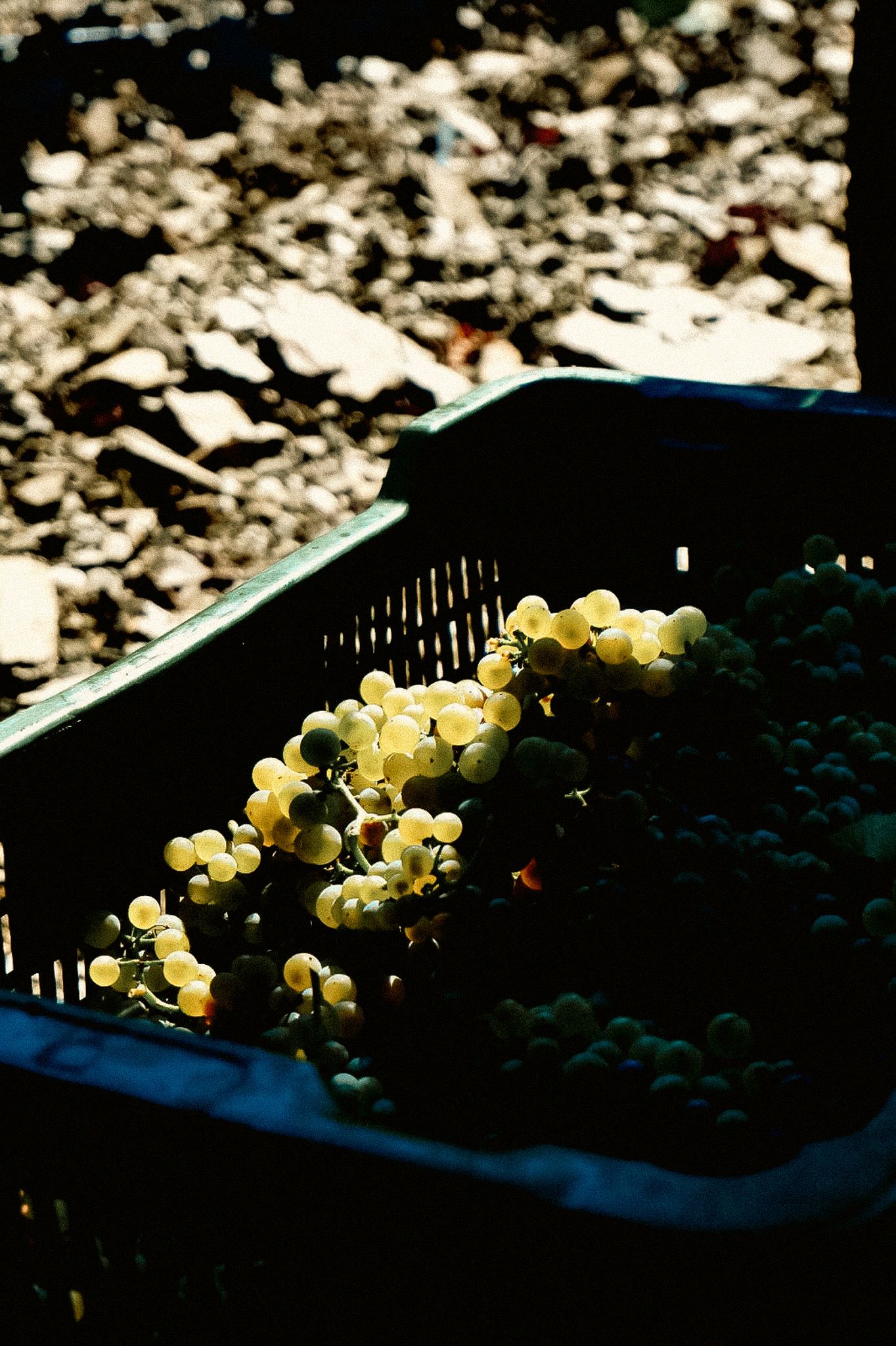
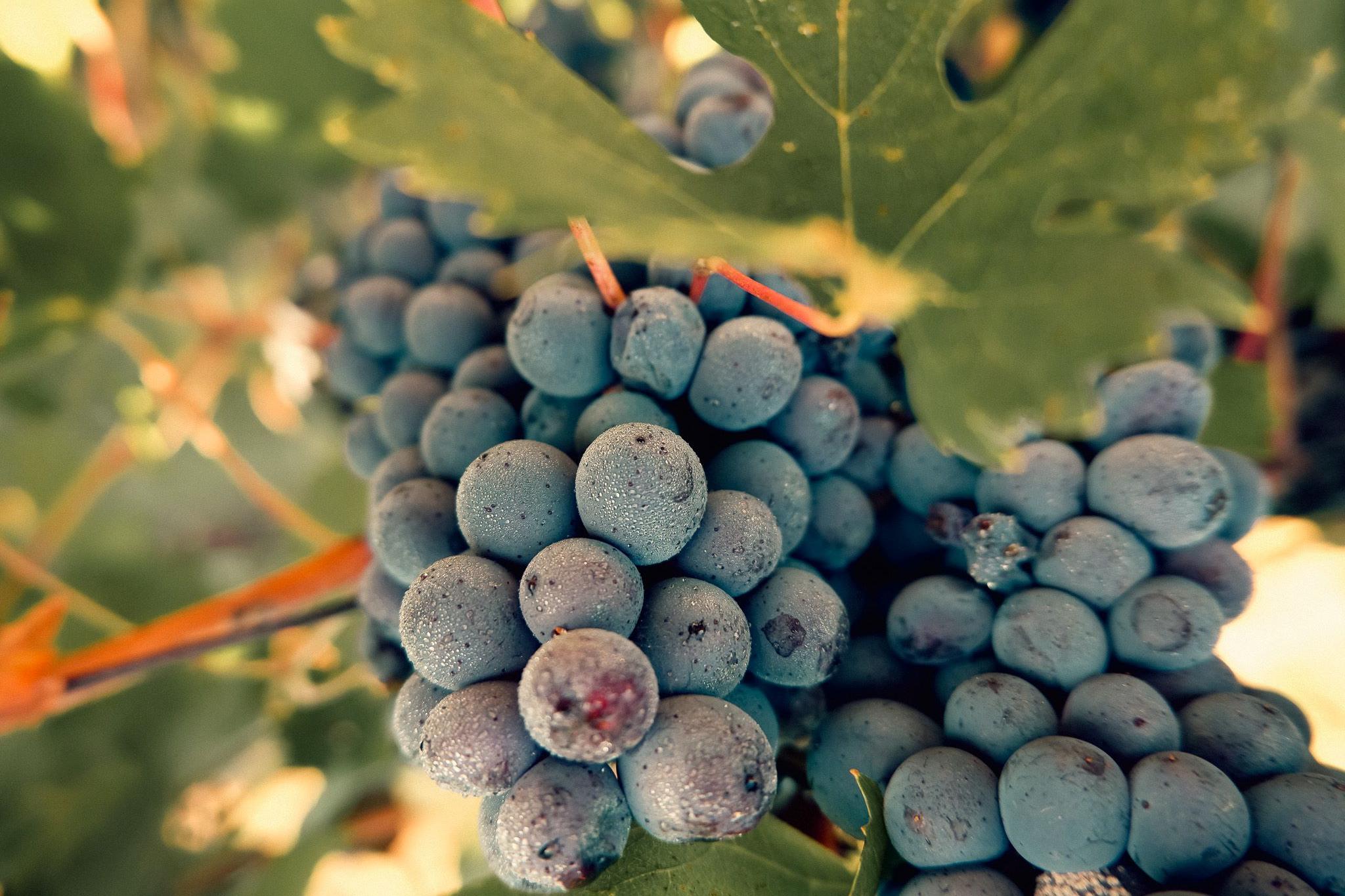
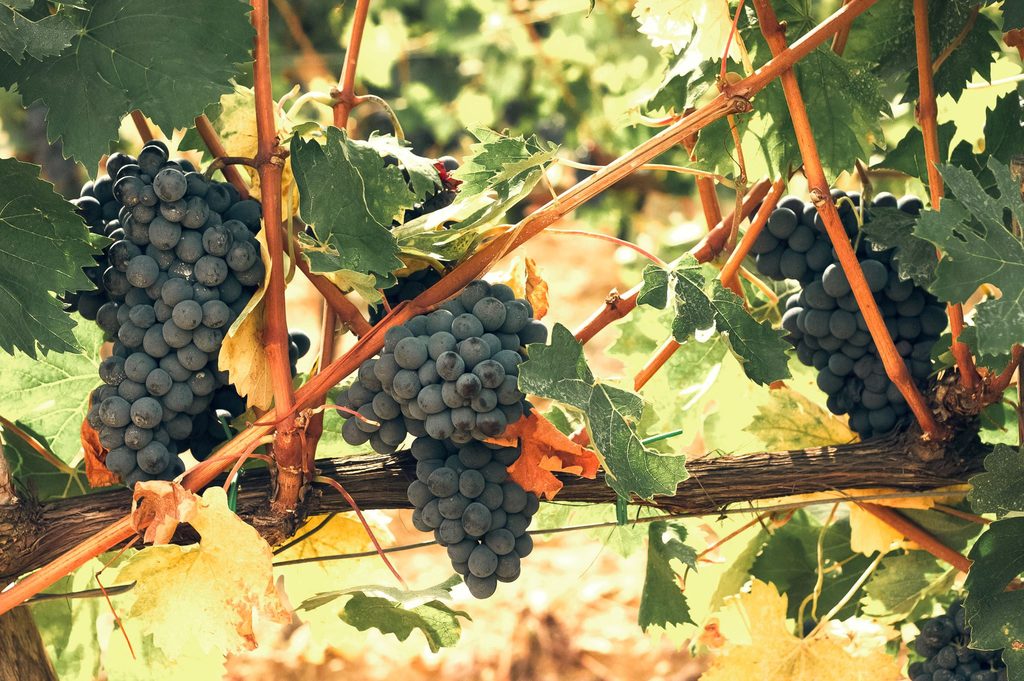
The estate grows both native varieties: Sangiovese, Canaiolo, Trebbiano, Vermentino and Malvasia Bianca, and international ones such as Merlot, Syrah, Cabernet Sauvignon and Chardonnay. In keeping with the Chianti DOCG, Sangiovese is the most widely planted grape in our vineyards.
Our finest vineyards sit on steep terraces overlooking the estate’s lake, whose presence helps keep temperatures cooler in the hottest months, encouraging a slow, balanced ripening.
“1,100 olive trees, among the rare survivors of the 1985 frost in Tuscany”
The Olive Groves
The treasure
we safeguard.
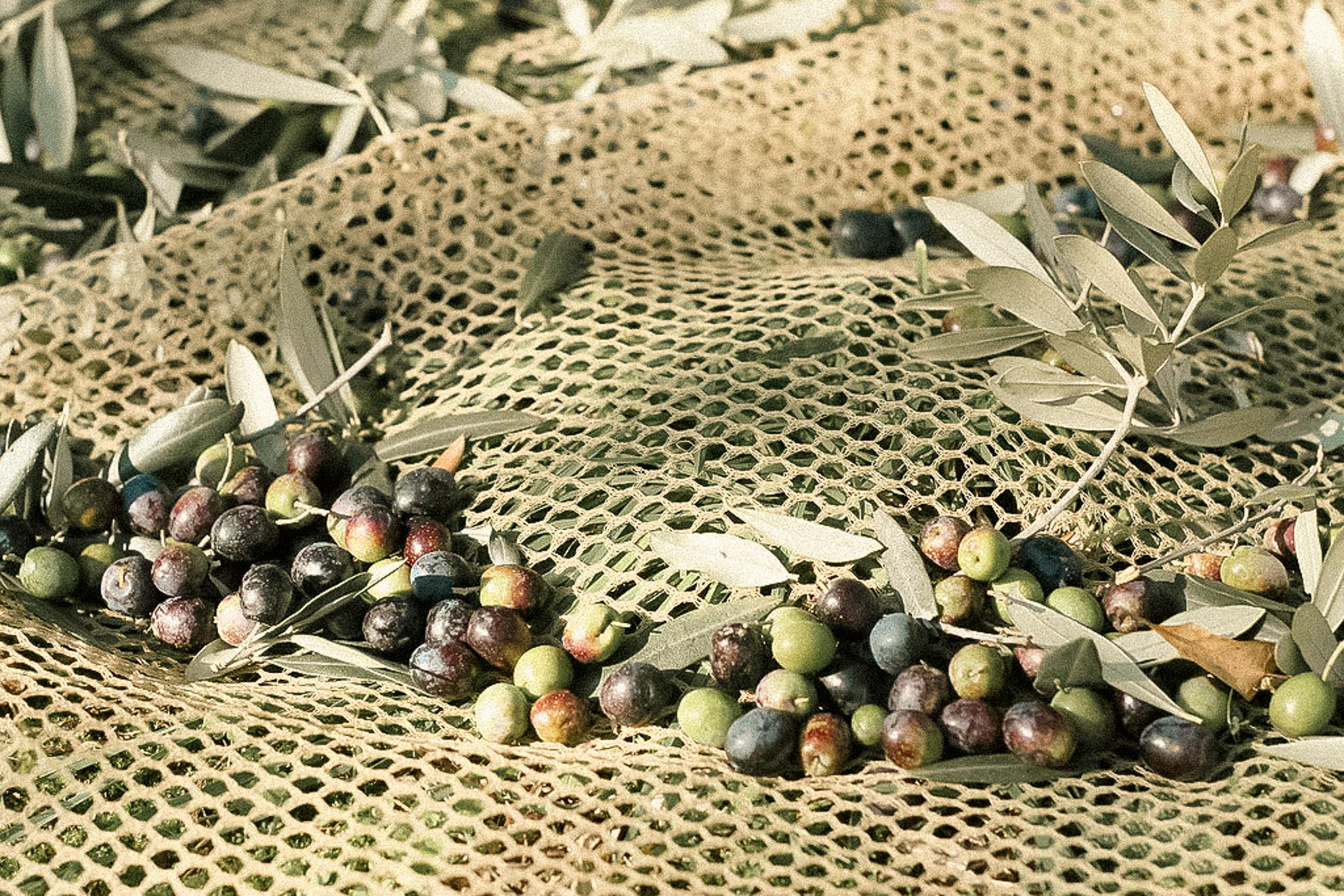
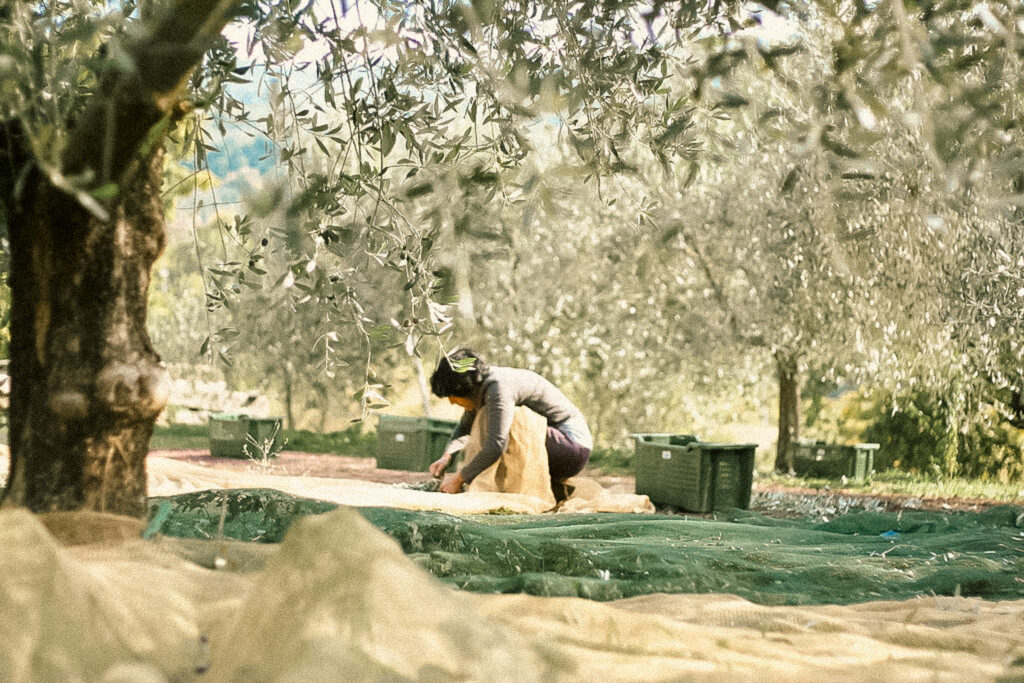
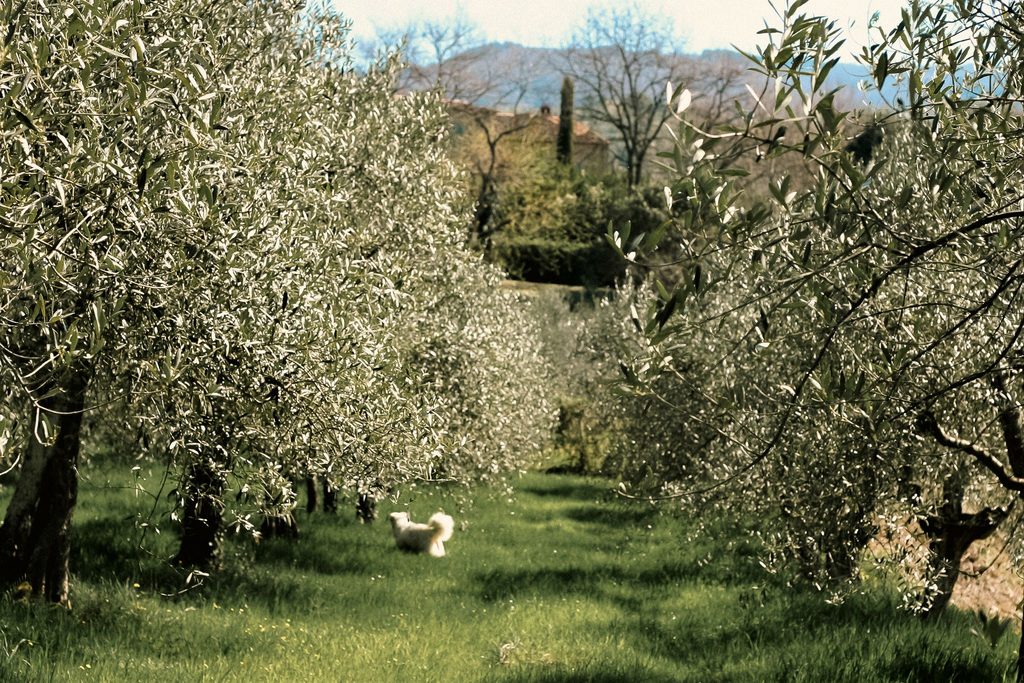
1100 centuries old plants are scattered over 5 ha on the hills with terraced plots. Most of the trees are the ones which survived the 1985 famous sharp frost. The varieties that create our oil are Moraiolo, Frantoio, Leccino and Pendolino, typical varieties of our zone.
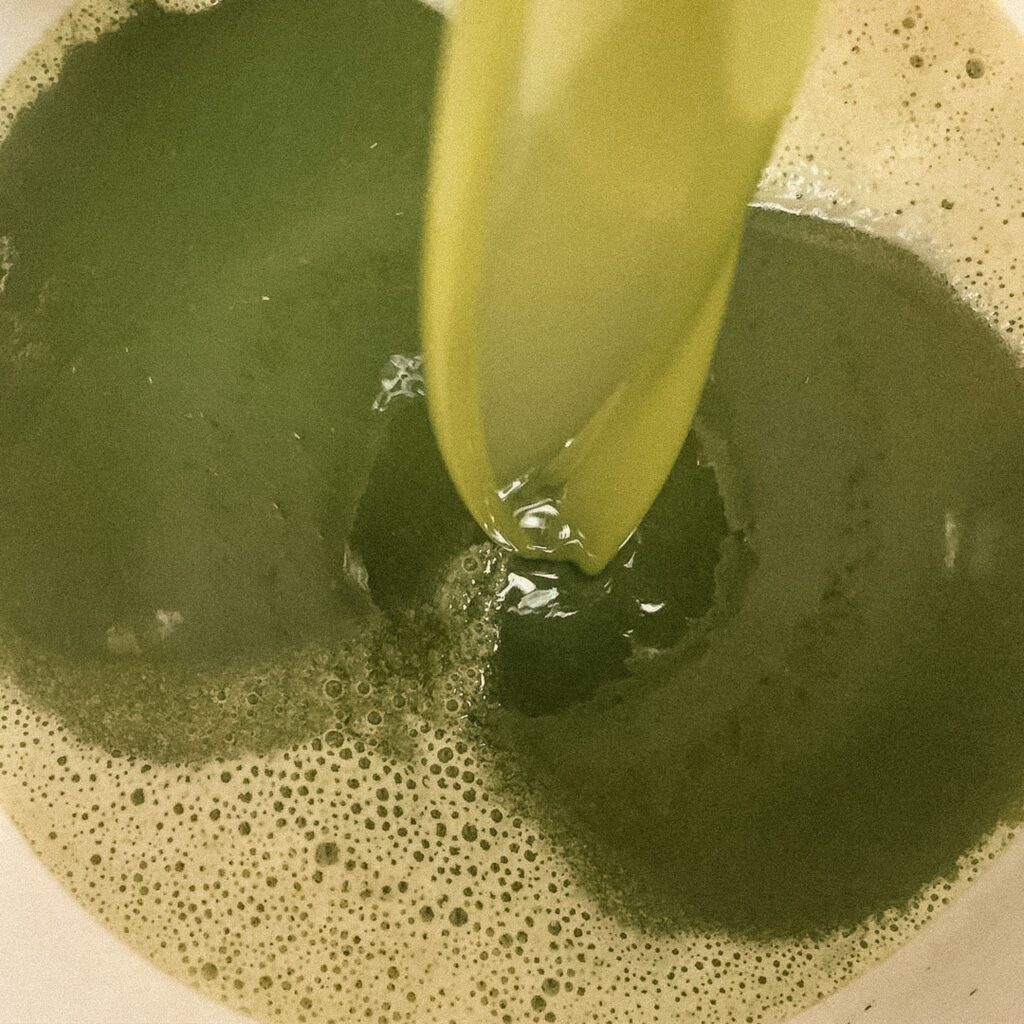
The olives are selected and harvested only and exclusively by hand and are taken to the olive mill the same day to be processed. The olives are then pressed that same evening using a cold extraction method allowing the outstanding organoleptic qualities of the oil to be preserved.
The entire production from soil preparation, cultivar choices, planting, cultivation, harvesting and extraction of oil are done with the idea of sustainability and respect of the nature following the ancient traditional methods of farming.
“The cellar’s oldest walls date back to 1818.”
The Historic Cellar
La Panchera WIne cellar.
est.1818
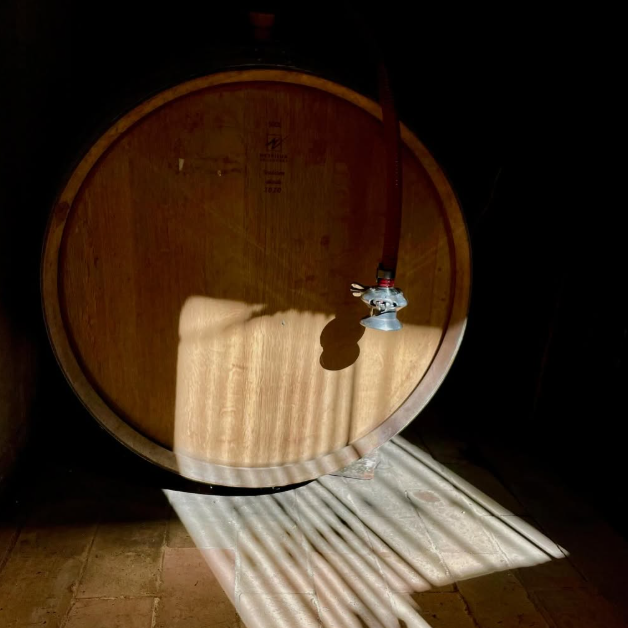
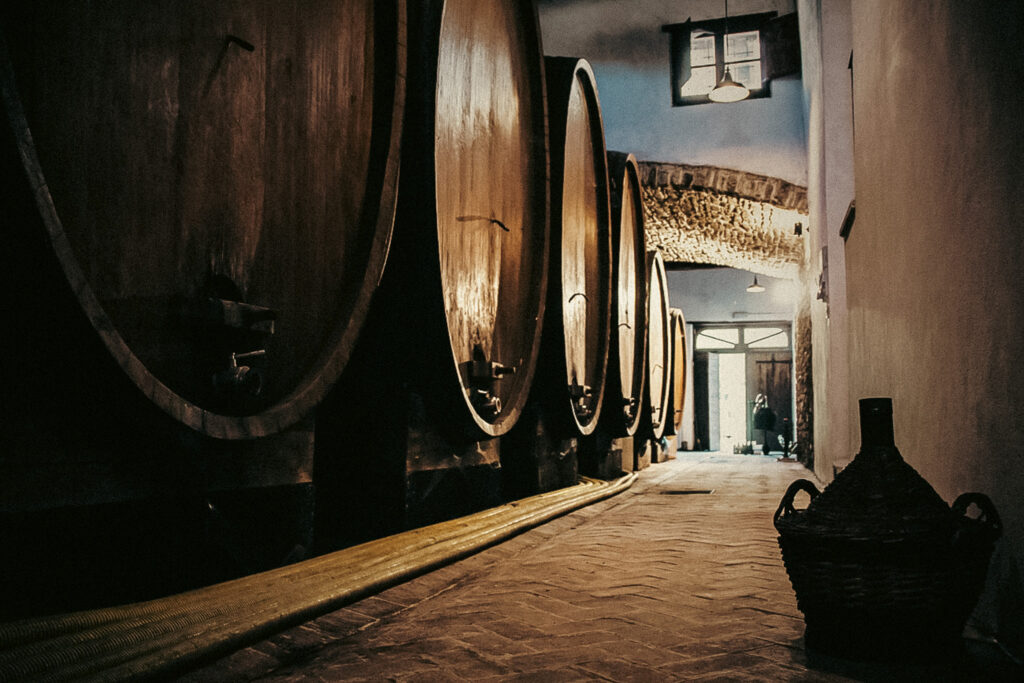
All the grapes produced are vinified in the historic estate winery, locally known as Cantina La Panchera, a traditional name derived from our family surname.
The oldest part of the building was built around 1818, together with the main villa and the adjoining farmhouse, and was originally used as a stable. At the beginning of the last century, it was converted into a winery.
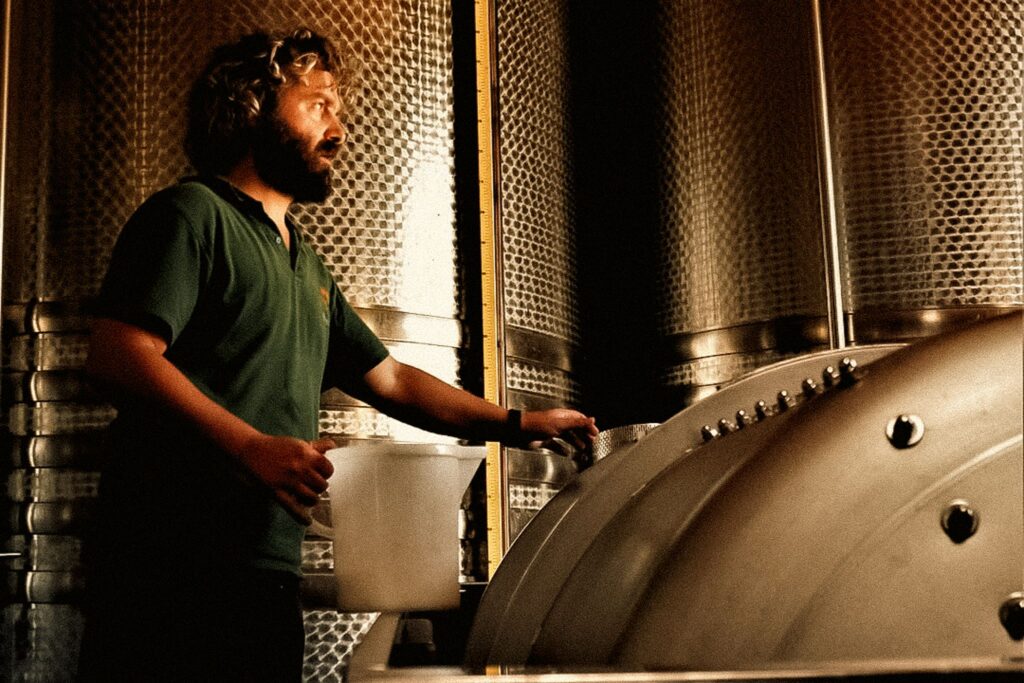
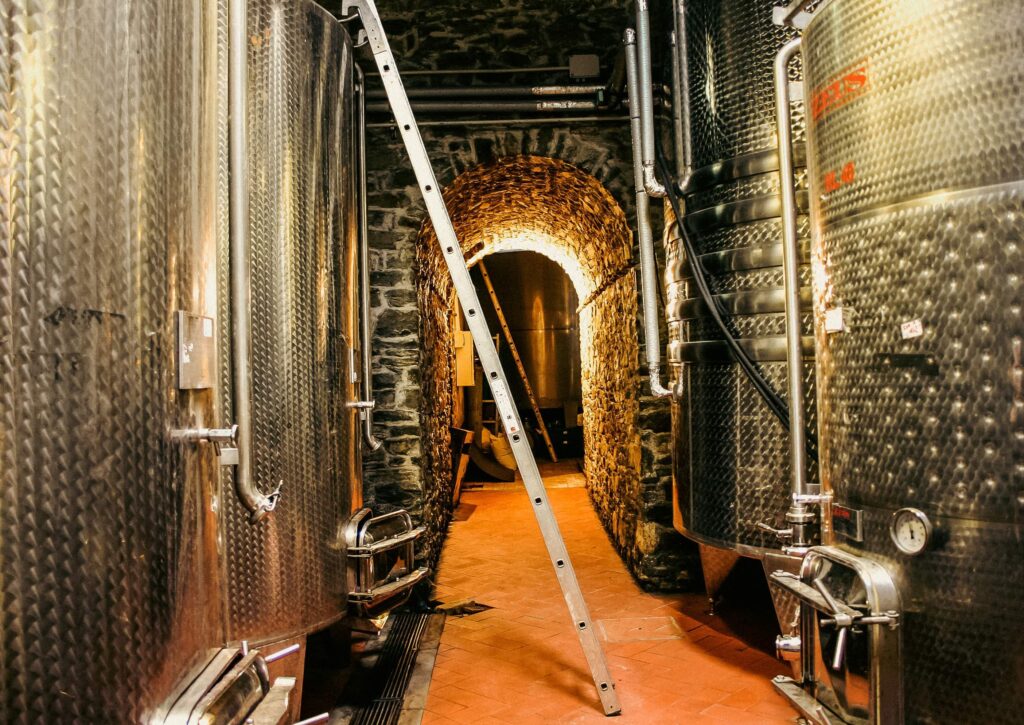
From the early 1970s onwards, the winery underwent major modernisation, led by Francesco Pancaro who, looking to the future, chose to devote the estate to winemaking. The building was expanded and adapted to the needs of modern production, while keeping a strong bond with Tuscan tradition.
“…And let my tainted lips be cleansed,
be dipped, be plunged
into a gilded beaker,
brimming with that wine
that flames in Sansavino,
or with that ruby-hued,
sparkling wine
that gives pride to Arezzo,
grown in Tregozzano
and among the stones of Giggiano…”
Francesco Redi, Bacchus in Tuscany, 1685
Admire
The soil
you can taste
Terroir
The galestro
of our hills
Our estate sits between 290 and 350 metres, in the coolest, most mountainous part of eastern Tuscany. Here Sangiovese finds one of its most authentic expressions – fresh, vibrant wines full of character. Fittingly, under Napoleon, Arezzo was recognised as a terroir fit even for Burgundy grapes.
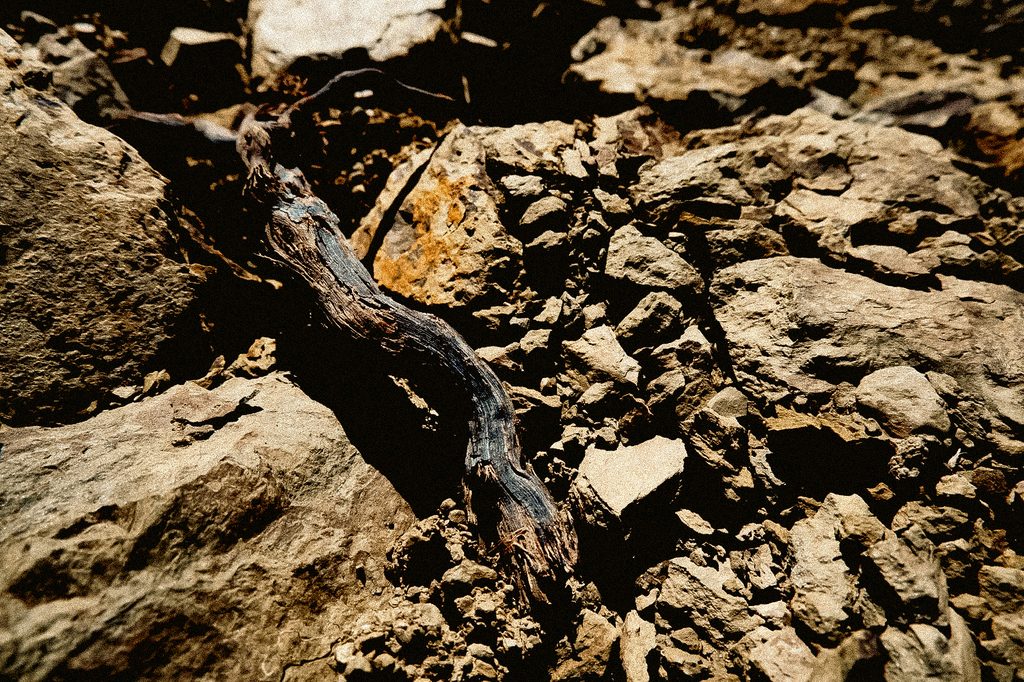
“The soil that gives our wines their character.”
Here on the hillsides, the soil is dominated by galestro, a friable sedimentary rock of marl and limestone that flakes into thin layers and ensures excellent natural drainage. This poor but mineral-rich soil forces the vine to drive its roots deep.
The nearby Alpe di Poti (1000 m) brings wide day-night temperature swings from June to September — the key to wines that are fragrant, fruity and a touch leaner than elsewhere in Chianti, with whites of marked minerality and freshness.
The vineyards
The vineyards
Thirty hectares
of heritage and care
Nearly 30 hectares of hillside vineyards slope towards the Castro stream, farmed with respect for the environment, from vines over thirty years old to new high-density plantings of around 5,000 per hectare.
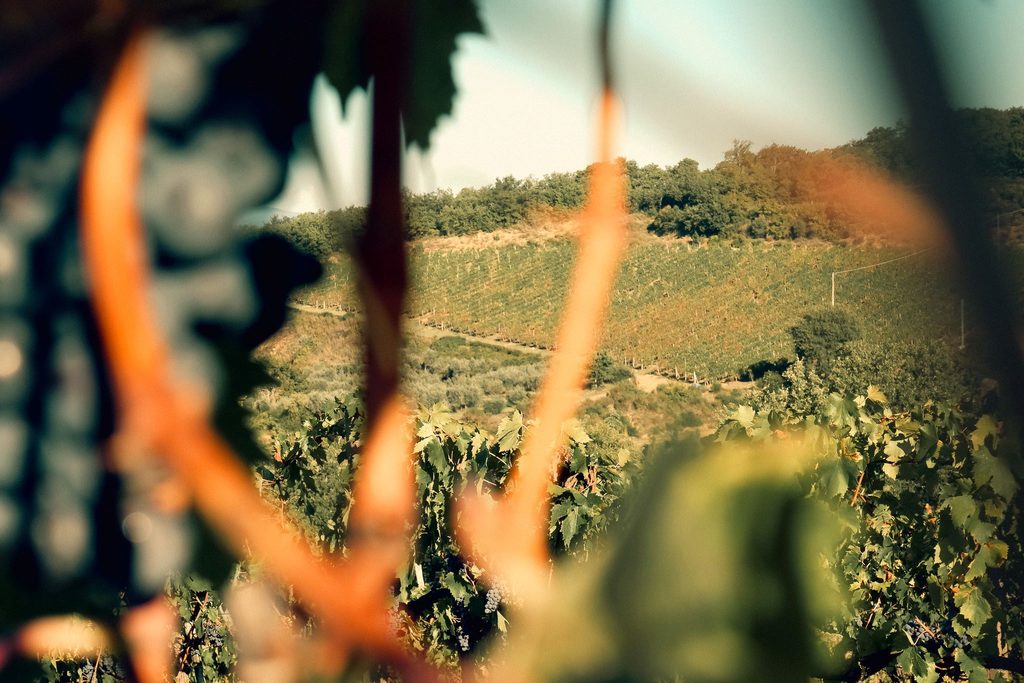
We grow native varieties – Sangiovese, Trebbiano, Vermentino, Malvasia Bianca – alongside Merlot, Syrah and Chardonnay, with Sangiovese the most planted, in keeping with the Chianti DOCG.
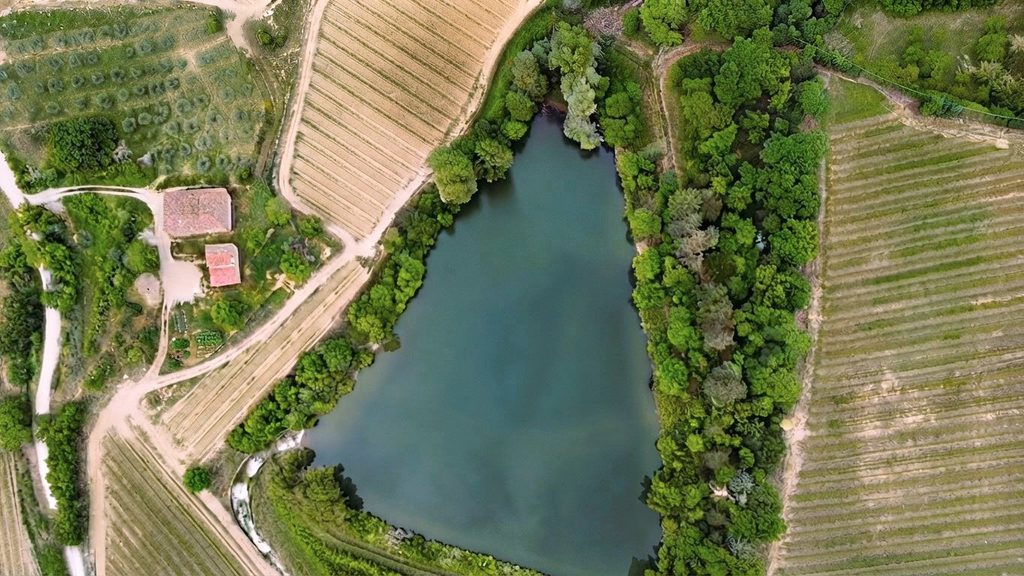
“The vineyards overlook the estate’s lake.”
Our finest plots lie on steep terraces above the estate lake, whose cooler air brings a slow, even ripening.
The Olive Groves
The Olive Groves
The treasure
to safeguard
Some 1,100 centuries-old olive trees grow across 5 hectares of terraced hillside – most of them survivors of the great frost of 1985. Picked by hand and cold-pressed the same day, our oil comes from Moraiolo, Frantoio, Leccino and Pendolino. The result is an extra-virgin olive oil of rare, distinctive quality, born of a special microclimate and of the soil itself.
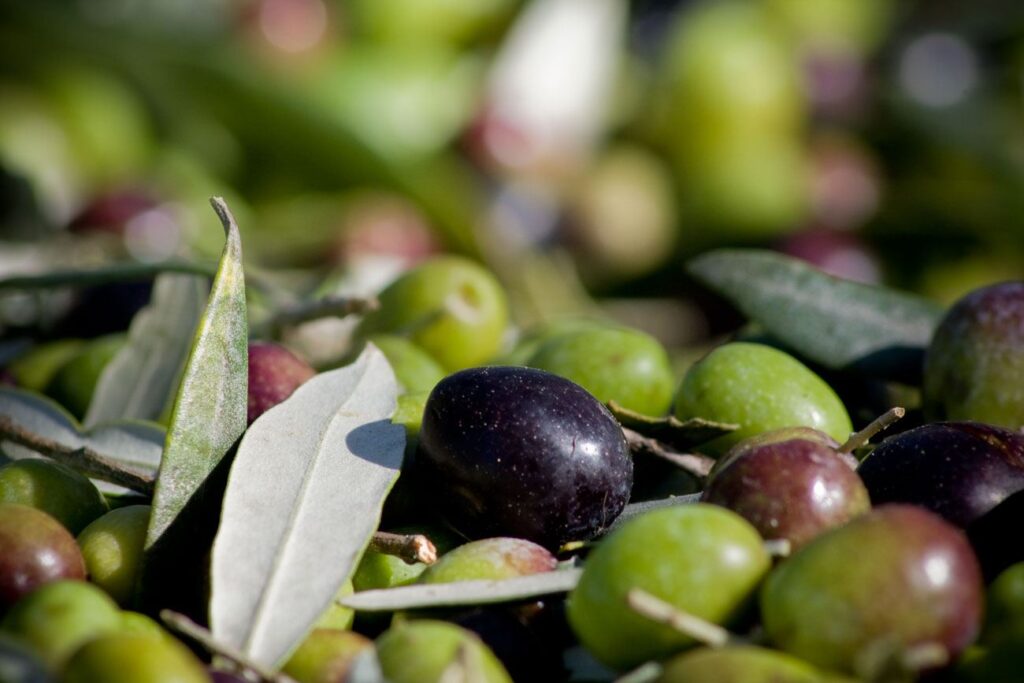
The result is an extra-virgin olive oil of rare, distinctive quality, born of a special microclimate and of the soil itself – a treasure we are proud to nurture, despite the economic pressures on the sector.
The Historic Cellar
The Cellar
La Panchera
est.1818
Our grapes come to life in the historic La Panchera cellar, a name that comes from our family surname. Its oldest walls date back to 1818, when the building was raised together with the manor villa.
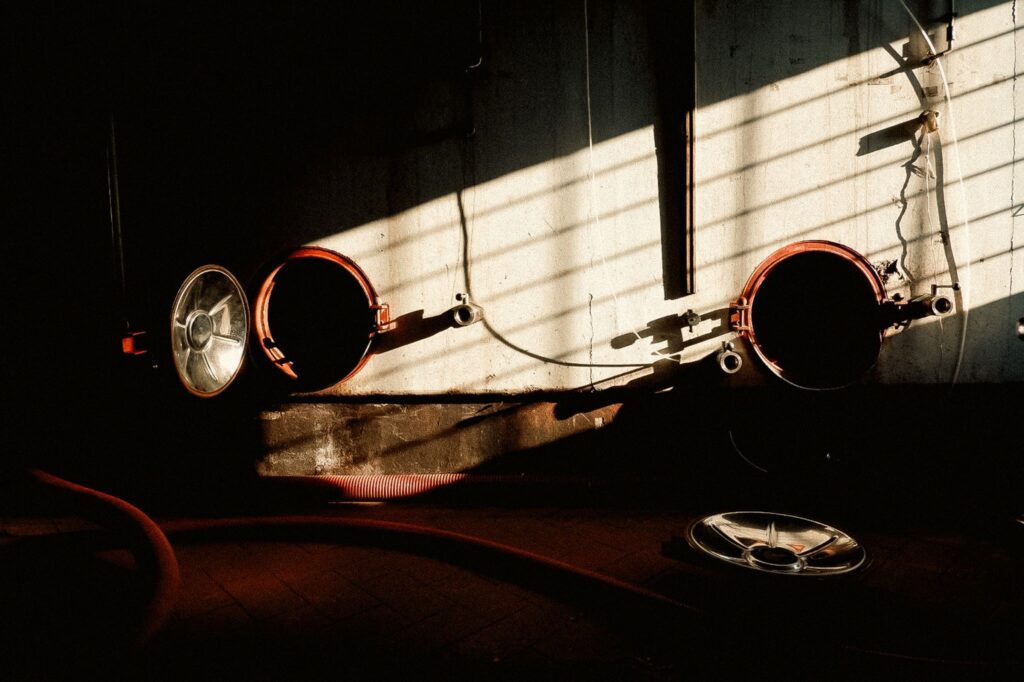
Over the generations, these spaces have changed, taking on their winemaking vocation in the early twentieth century. In the 1970s, the cellar found a new direction thanks to the vision of Francesco Pancaro. Expanded and modernised, it has evolved without ever losing touch with its roots.
“…And let my tainted lips be cleansed,
be dipped, be plunged
into a gilded beaker,
brimming with that wine
that flames in Sansavino,
or with that ruby-hued,
sparkling wine
that gives pride to Arezzo,
grown in Tregozzano
and among the stones of Giggiano…”
Francesco Red · Bacchus in Tuscany ·1685